A Step-by-Step Implementation Zoho CRM Guide
For small businesses, efficient customer relationship management is essential for growth. Zoho CRM helps centralize customer data, automate routine tasks, streamline sales processes, and provide clear pipeline visibility.
At CRMOZ, we help businesses implement, customize, and optimize Zoho CRM for long-term success. In this guide, you'll learn how to set up Zoho CRM for a small business in 2026, avoid common challenges, and leverage automation to improve performance.
Why Zoho CRM Is One of the Best CRM Solutions for Small Businesses in 2026
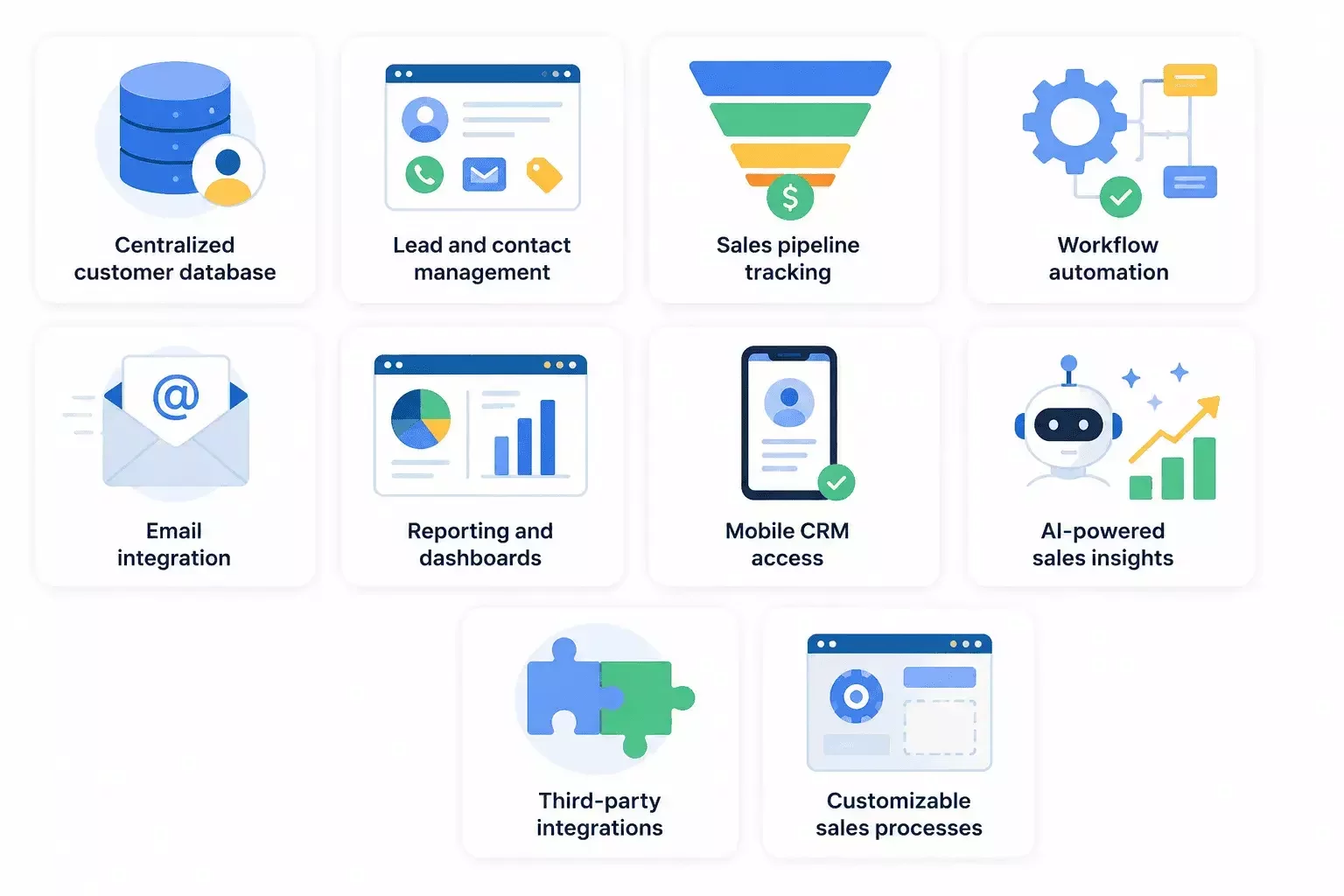
Here's why:
Zoho CRM Implementation Challenges: What Business Should Know Before Getting Started
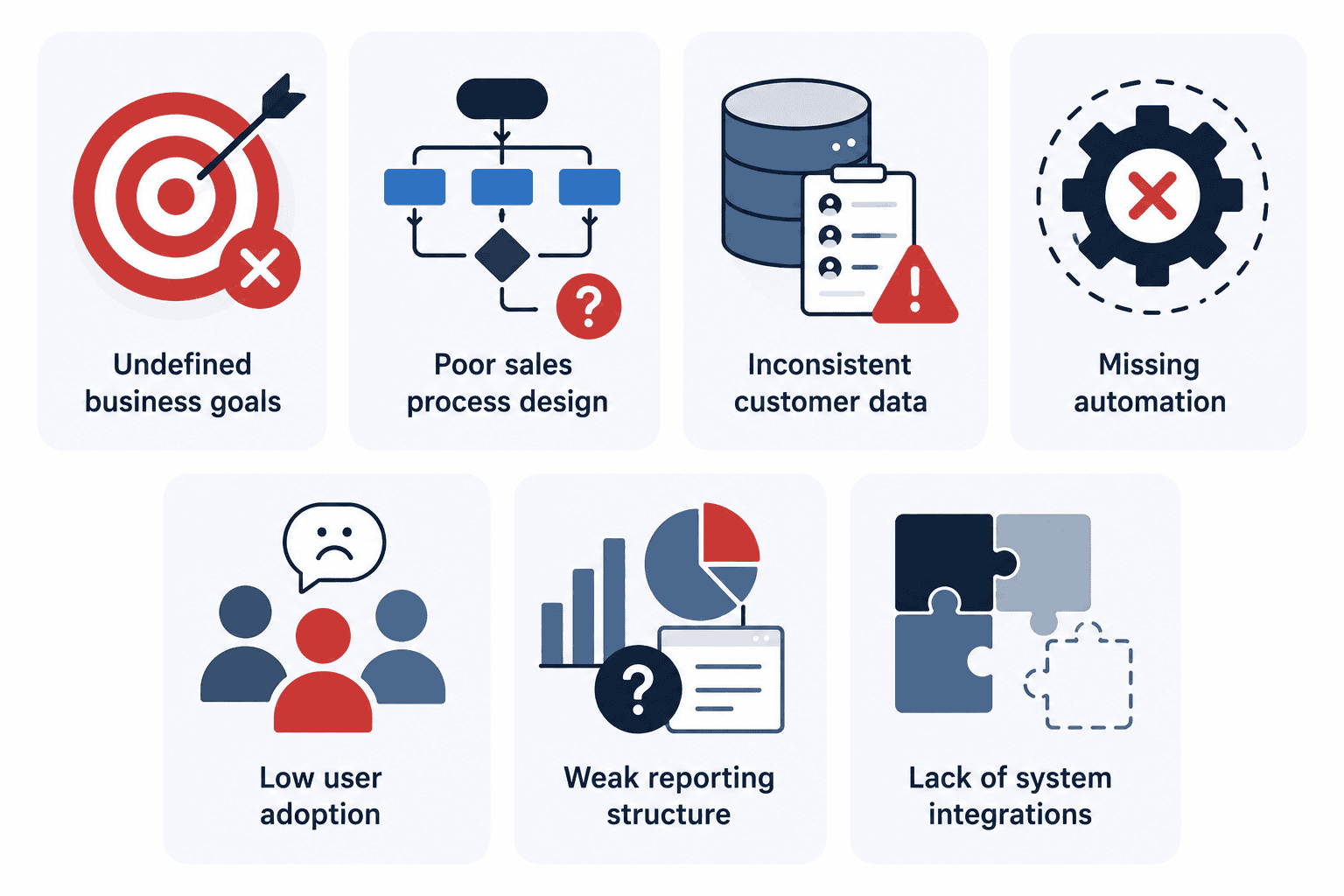
Many businesses assume that purchasing CRM software automatically improves sales performance.
In reality, successful Zoho CRM implementation depends on business processes, user adoption, automation strategy, data quality, and reporting requirements.
The most common challenges include:
Step 1: Define Your Business Goals Before Setting Up Zoho CRM
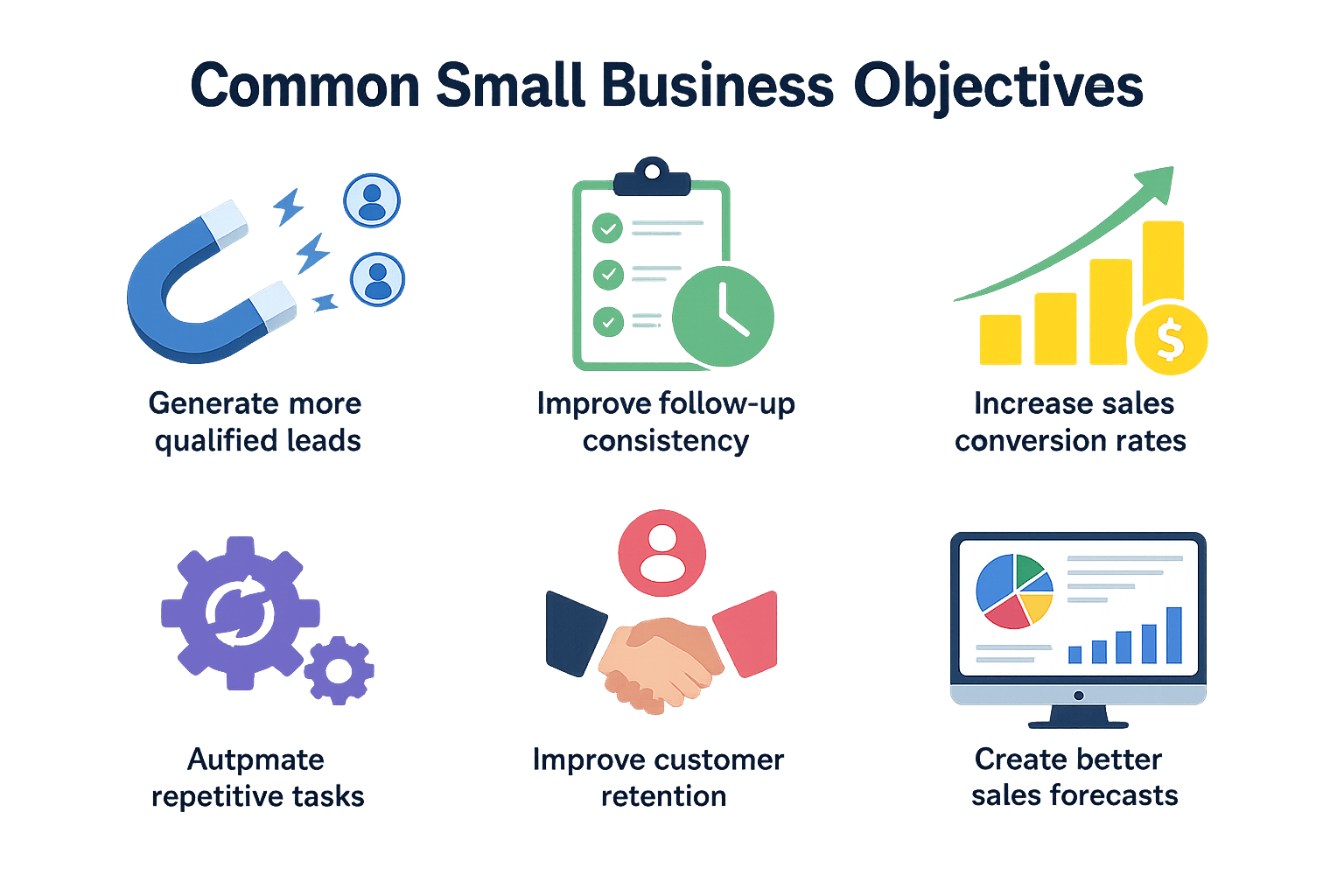
Before configuring Zoho CRM, define specific and measurable business goals. Objectives such as reducing lead response times, improving conversion rates, and automating manual tasks help create a CRM system that delivers real business value and supports long-term growth.
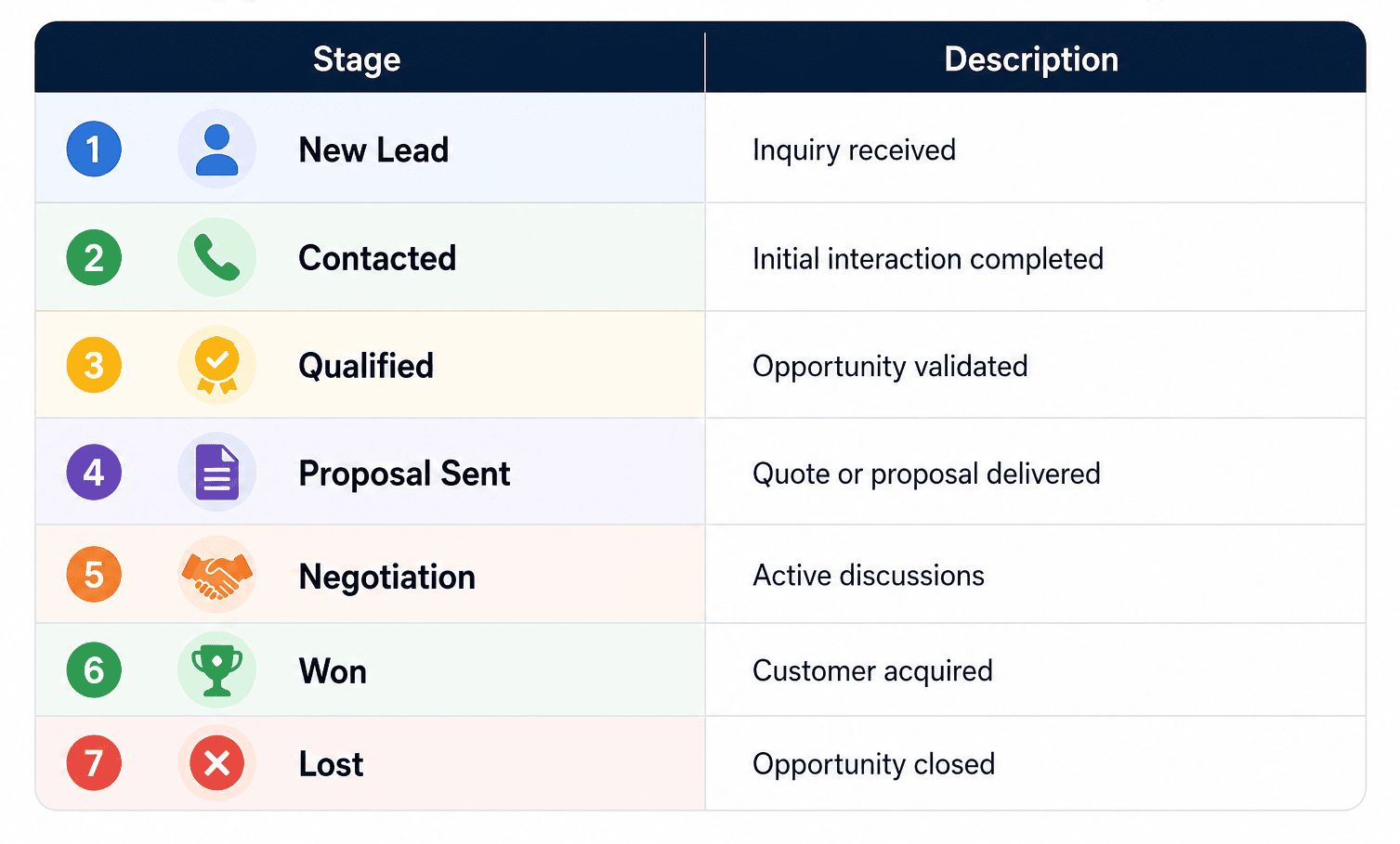
Step 2: Map Your Sales Process Before CRM Configuration
CRMOZ Expert Tip
A CRM system is only as effective as the sales process behind it. We've seen many businesses struggle with inaccurate forecasts and poor adoption because their pipeline doesn't reflect how customers actually buy.
Our Zoho CRM implementation experts help organizations map their customer journey, optimize sales stages, and build CRM processes that support growth, automation, and better decision-making.
Step 3: Configure Essential Zoho CRM Modules
Leads
Track prospects from:
Website forms,
Advertising campaigns,
Referrals, Social media, Events
Contacts
Store customer information.
Manage organizations and companies.
Deals
Track opportunities throughout the sales pipeline.
Tasks
Manage follow-ups and customer activities.
Avoid overcomplicating your CRM setup during the initial phase.
Step 4: Customize Zoho CRM Fields and Layouts
Common Custom Fields in Zoho CRM
- Industry
- Product Interest
- Annual Revenue
- Lead Source
- Customer Type
- Contract Value
- Sales Territory
- Customer Lifecycle Stage
Custom fields allow businesses to collect the information needed for accurate reporting, workflow automation, lead management, and customer segmentation.
Zoho CRM Customization Best Practice
When customizing Zoho CRM, keep your layouts simple and focused on business needs.
Many companies create dozens of unnecessary fields during implementation, making data entry more time-consuming and reducing CRM adoption across the team. Instead, focus on the information that directly supports sales, marketing, customer service, and reporting processes.
In fact, over-customization is one of the most common CRM implementation mistakes businesses make. If you're planning a new CRM deployment, read our guide on common Zoho CRM implementation challenges and best practices to avoid costly mistakes and build a scalable CRM foundation from the start.
Step 5: Import and Clean Your CRM Data
Before importing data into Zoho CRM, it's important to review and prepare your existing records. Taking the time to clean your database will improve CRM performance, reporting accuracy, and automation effectiveness from day one.
Start by removing duplicate records, fixing formatting inconsistencies, updating outdated contact information, and standardizing naming conventions. A clean and organized database makes it easier for sales teams to manage customer relationships and maintain data quality over time.
Once your data is prepared, you can import the core CRM records, including leads, contacts, accounts, and deals. Properly structured data helps ensure a smooth Zoho CRM setup and creates a strong foundation for future sales automation and reporting.
CRMOZ Expert Tip
Data migration is one of the most critical stages of a successful Zoho CRM implementation. Poor-quality data often results in inaccurate reports, ineffective workflows, duplicate records, and reduced user trust in the system. Clean, reliable data is the foundation of effective CRM management, automation, and long-term business growth.
Step 6: Configure User Roles and Permissions
A successful Zoho CRM implementation starts with a well-defined user role and permission structure. When setting up Zoho CRM user roles, businesses should provide sales representatives, managers, and executives with access only to the data, reports, dashboards, and CRM modules relevant to their responsibilities. Proper CRM access control, Zoho CRM security settings, and role-based permissions help protect customer data, improve user adoption, streamline sales process automation, and ensure accurate reporting across the organization. A well-structured permission model is a critical part of any Zoho CRM setup, CRM customization, and long-term CRM success strategy.
Step 7: Automate Repetitive Sales Processes
One of the biggest advantages of Zoho CRM automation is reducing manual work and improving sales efficiency.
Common automation workflows include lead assignment, follow-up task creation, email notifications, and deal stage automation. These workflows help businesses respond faster, improve consistency, and streamline the sales process.
CRMOZ Expert Tip
Before implementing CRM workflow automation, make sure your sales process is optimized. Automating inefficient workflows only creates larger problems as your business grows.
Step 8: Integrate Zoho CRM with Your Business Systems
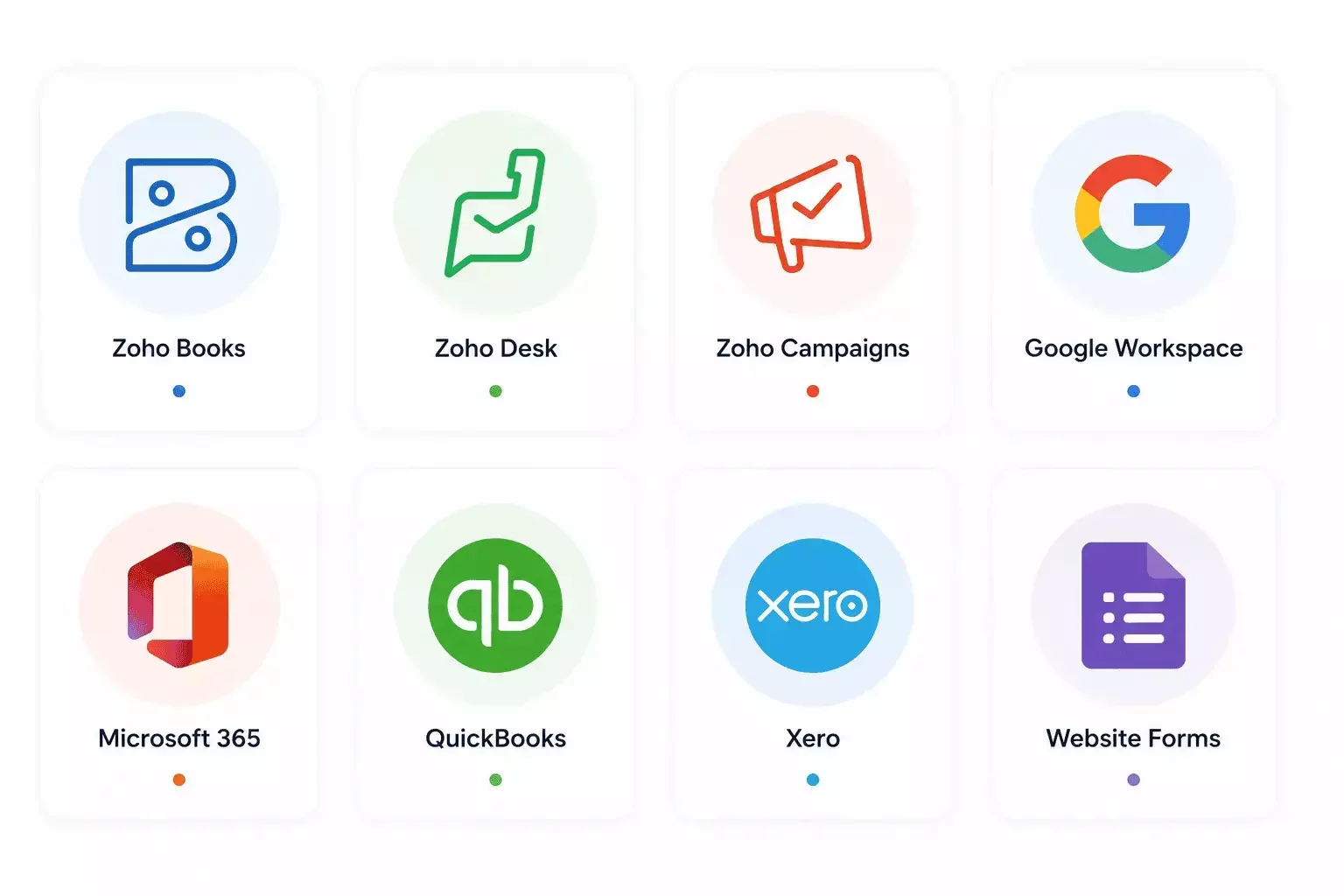
Popular Zoho CRM Integrations
Zoho Books
Zoho Desk
Zoho Campaigns
Google Workspace
Microsoft 365
QuickBooks
Xero
Website Forms
Need Help with Zoho CRM Integrations?
CRMOZ helps businesses connect Zoho CRM with accounting systems, marketing tools, customer support platforms, and custom business applications.
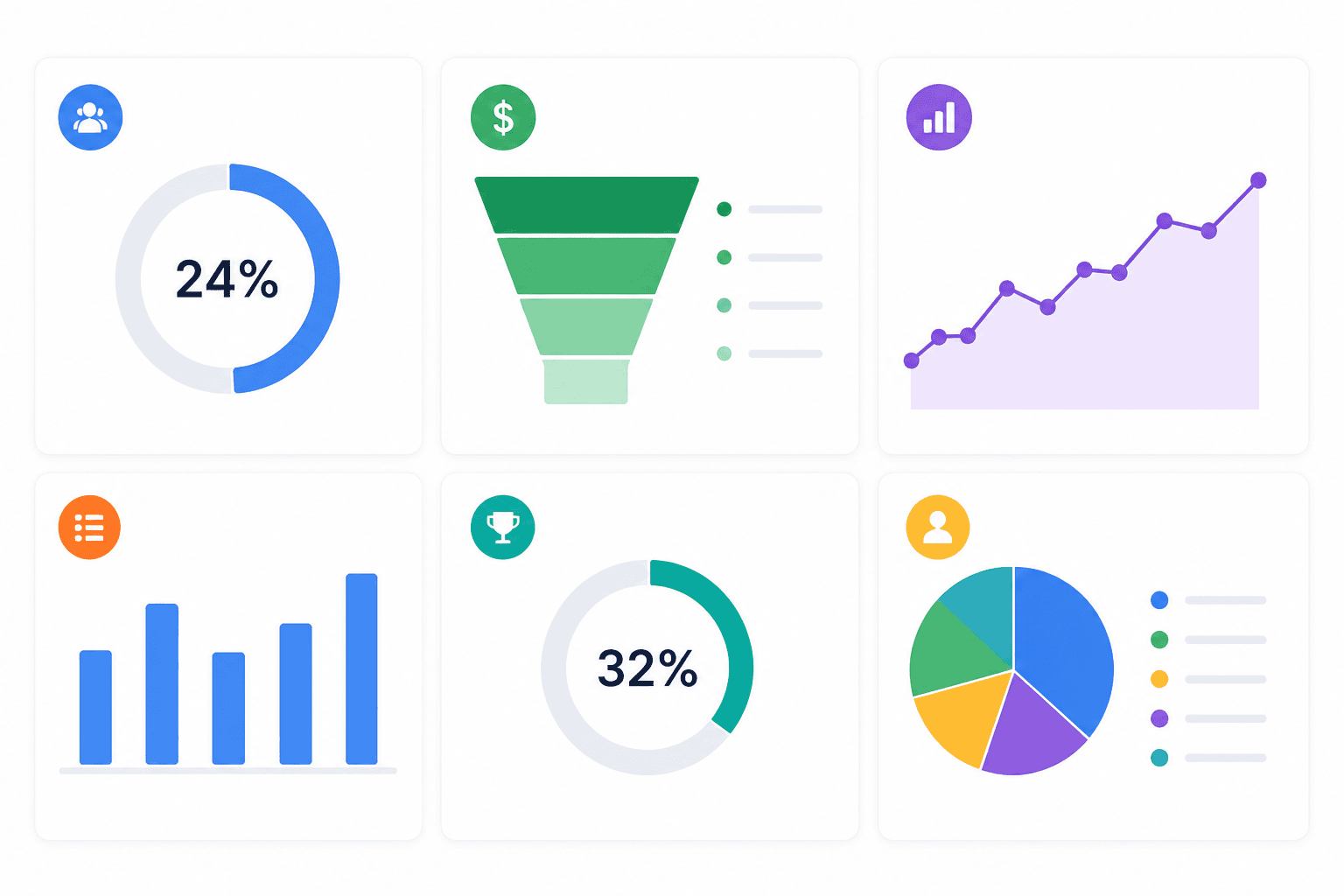
Step 9: Build Dashboards and Reports
Essential Zoho CRM Reports
Lead Conversion Rate
Sales Pipeline Value
Closed Revenue
Sales Activity
Deal Win Rate
Lead Sources
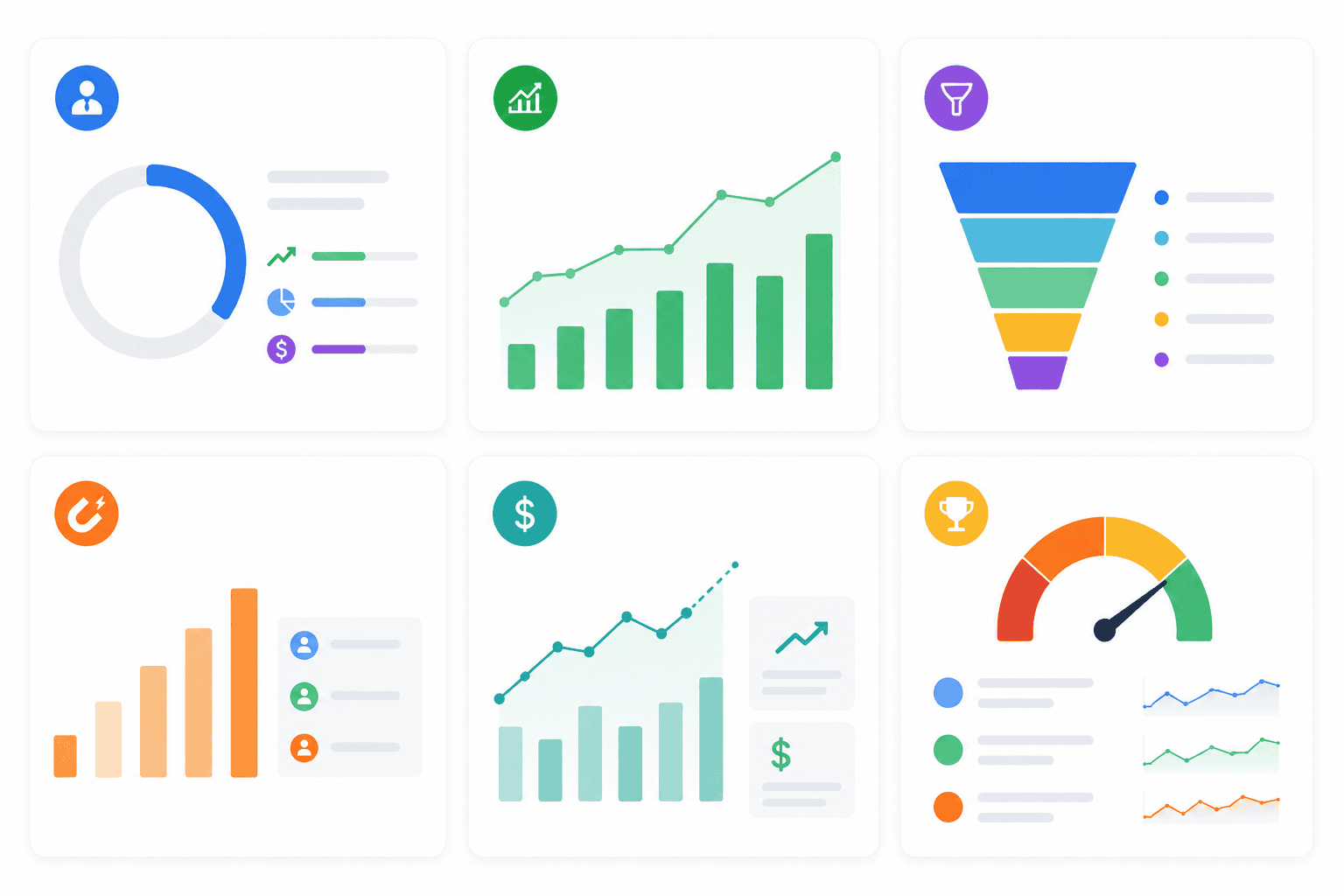
Essential Zoho CRM Dashboards
- Executive Dashboard
- Sales Dashboard
- Pipeline Dashboard
- Lead Generation Dashboard
- Revenue & Forecast Dashboard
- Sales Performance Dashboard
Step 10: Train Your Team for Long-Term CRM Success
Even the best Zoho CRM setup will struggle without user adoption. Effective CRM training should include:
- Role-based training
- Real-world scenarios
- Hands-on practice
- Clear CRM processes
- Ongoing support
Common Mistake: Many businesses provide a single training session and expect lasting results. Continuous learning and CRM education programs help improve adoption, data quality, and overall CRM success. Learn more about our CRM training and educational services.
Common Zoho CRM Setup Mistakes
❌ Starting without business goals
❌ Importing poor-quality data
❌ Over-customizing the CRM
❌ Ignoring automation opportunities
❌ Skipping user training
❌ Failing to define KPIs
❌ Not integrating critical business systems
Zoho CRM Setup Checklist
Ready to Build a Zoho CRM System That Scales With Your Business?
Whether you're implementing Zoho CRM for the first time or improving an existing CRM environment, CRMOZ can help you avoid costly mistakes and accelerate results.
From CRM strategy and implementation to automation, integrations, reporting, and support, our certified Zoho experts ensure your CRM is built around your business—not the other way around.