
What is the Discovery Phase?
- Business goals, as well as the objectives of the projects involved.
- Pain points, risks, gaps, and critical requirements.
- System inventory: existing systems that require integration with a CRM.
- A comprehensive view of the deployment area.
- A transition project plan from the existing infrastructure to the planned one.
- Searching for possible data sources for a new CRM implementation.
- Setting a schedule and priorities.
- Drafting a project development roadmap.
- Distribution of roles within the project.
- Calculation of time and budget.
Why Does the Project Discovery Phase Matter?
The Discovery Phase helps you clearly understand when, how, and what you will receive by documenting all important aspects of project development: from expectations to exact functionality and estimates.
As a software development company, we study your exact expectations and requirements to better understand your business idea. Moreover, as our solution architects and development team get to know the product history better, they can create the most suitable solutions to match your needs and expectations. This allows them to propose alternative solutions that can significantly increase the final value delivered to end users.
Sometimes, our technical specialists propose alternative solutions during the project discovery phase that fit client needs and expectations, but are implemented differently. As a result, we can reduce project development time and costs, which is highly valued by stakeholders while providing additional value.
What Do You Get at the End of the Discovery Process?
The discovery process provides the team and staff with insightful recommendations regarding their priorities and responsibilities during a CRM implementation.
As a result of the Discovery Phase, you will receive:
A BPMN diagram corresponding to the company's processes, taking into account all the software it uses.
A Technical Specifications document describing all details and nuances.
A Gantt chart—the total number of hours for project implementation and the exact number of days for project completion
BPMN scheme
- Receiving a request from a client (start event).
- Creating a document.
- Approving a document.
- Shipping goods to the client / providing a service to the client.
- Receiving feedback from the client (end event, unless the feedback needs to be processed).
- Other events.
Terms of Reference (ToR)
The rationale for launching the project.
A Terms of Reference (ToR) sets out the background, goal, and objectives of a proposed project. The ToR template includes a set of criteria necessary for making strategic project management decisions. Additionally, this document defines project-related activities, risks, budget, and expertise.
In project management, a terms of reference is a strategy-level document that describes expected deliverables, who is responsible for each deliverable, and the deadlines by which they must be completed. The ToR specifies planned actions, typical inputs and outputs, the project budget, work schedules, and job descriptions. It is used to evaluate the work of the project team, contractors, consultants, experts, and other project stakeholders.
The purpose of a ToR is to specify the scope and type of work required to execute the project. Furthermore, it is a guiding document that establishes and defines relationships among all project stakeholders. The terms of reference document is developed after the project has been identified, defined, and planned.
A project ToR contains a clear description of the following important information:
The rationale for launching the project.
The proposed project management methodology, along with work plans and activity schedules.
Expected resource requirements, primarily regarding personnel.
Reporting rules and requirements.
Gantt chart
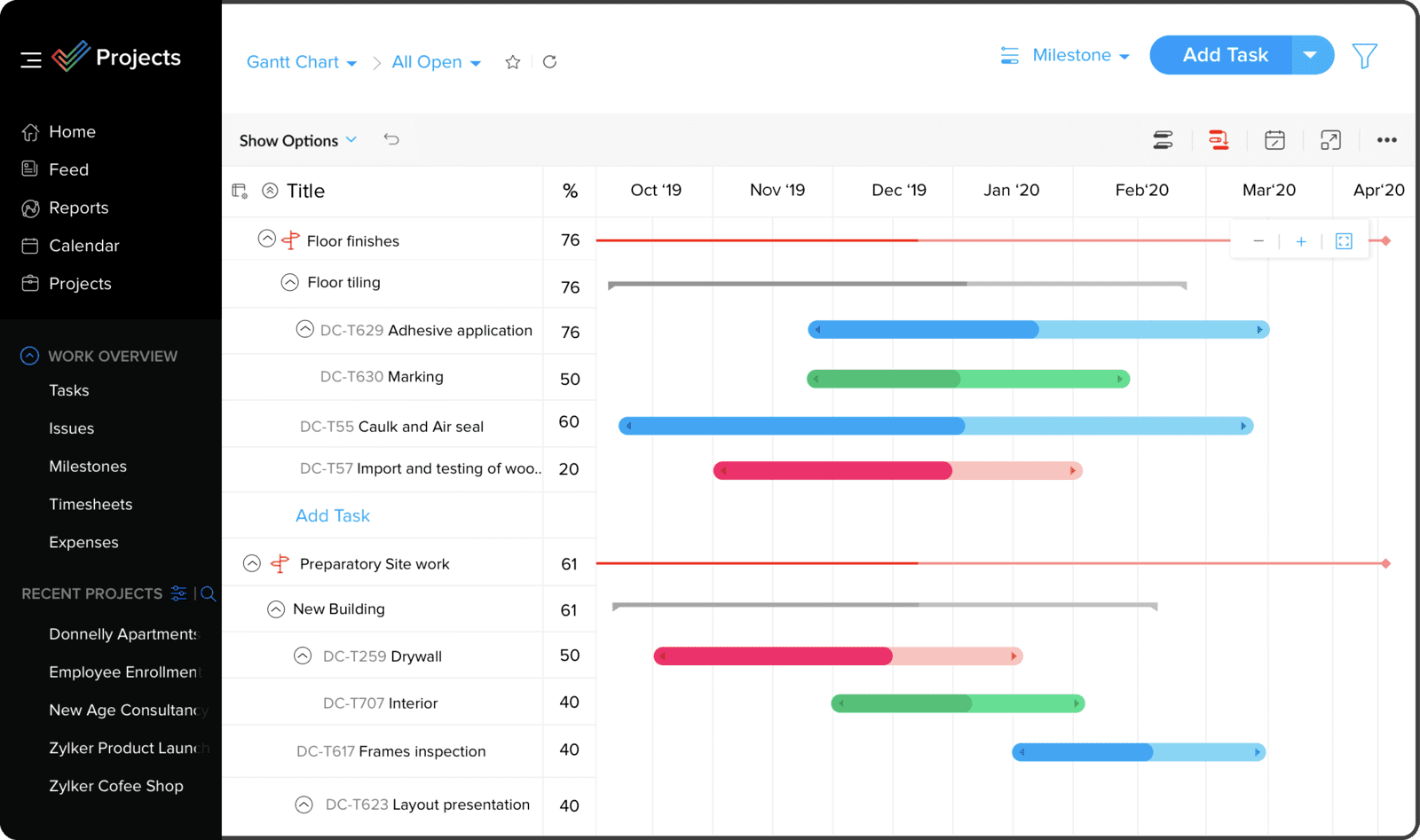
- What the various activities are.
- When each activity starts and ends.
- How long each activity will last.
- Where activities overlap with other activities and to what extent.
- The start and end date of the entire project.
What Problems Can Be Solved During the Project's Discovery Phase?
- #1 Endless Project Scope Changes and Budget CreepThe absence of strictly documented and measurable milestones can lead to endless changes and expansions of the project scope. In turn, this will likely lead to project launch delays and budget overruns.
- #2 Missed Deadlines and Setup/Installation CostsThe software discovery phase allows you to create a strict timeline with iterative project development phases that determine the exact project development time. The lack of defined goals, priorities, and requirements can lead to extended timelines and delayed launches. Thus, as a client, you may face escalating costs throughout the entire project development process.
- #3 Inappropriate Projects That Do Not Meet Your RequirementsThe project research phase allows both parties to avoid any misunderstandings and stay connected moving forward. You can specify exact expectations and receive meaningful feedback from our solution architects regarding technical implementation.