TOP 10 Modeling Programs

Teams can clearly understand responsibilities, dependencies, and approval chains.
BPM helps identify inefficiencies, delays, and unnecessary manual actions.
Well-structured process models simplify automation using CRM, ERP, and BPM platforms.
Documented workflows help organizations maintain regulatory and internal compliance standards.
Optimized processes reduce delays and improve service consistency.
7 Signs Your Company Needs Business Process Modeling
- Teams rely on spreadsheets
- Too many manual approvals
- Workflows depend on specific employees
- Departments use disconnected tools
- Processes are undocumented
- Scaling creates operational chaos
- Reporting takes too much time
9 business process modeling software:
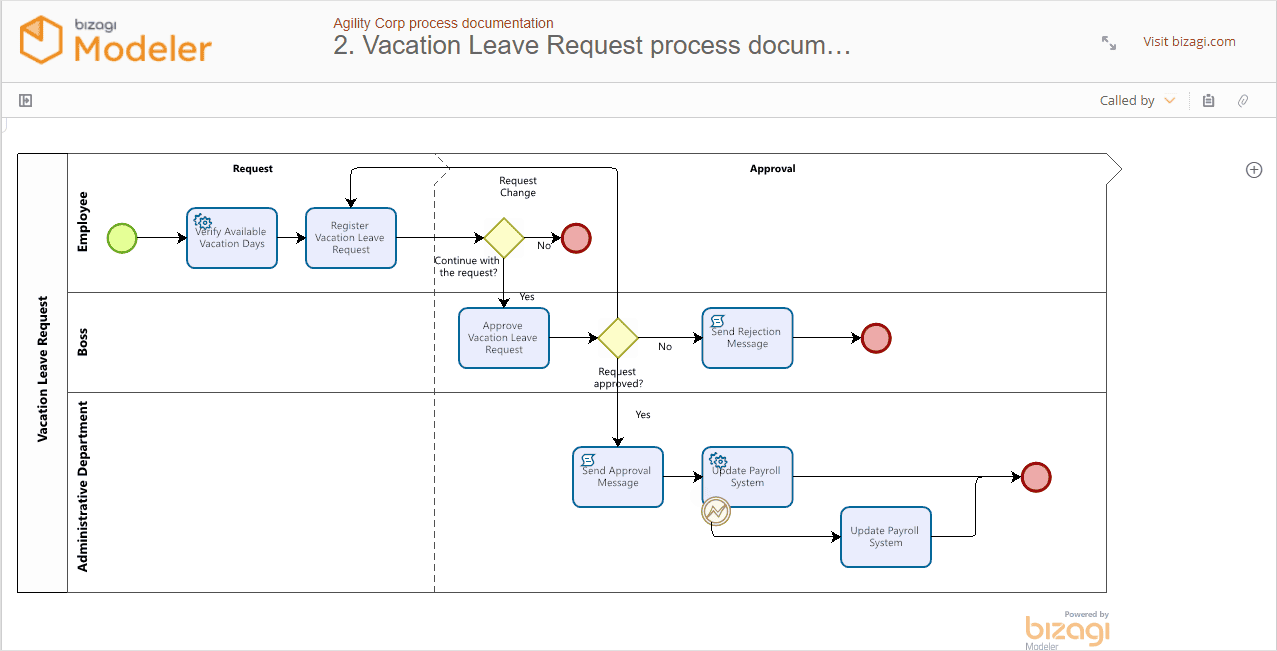
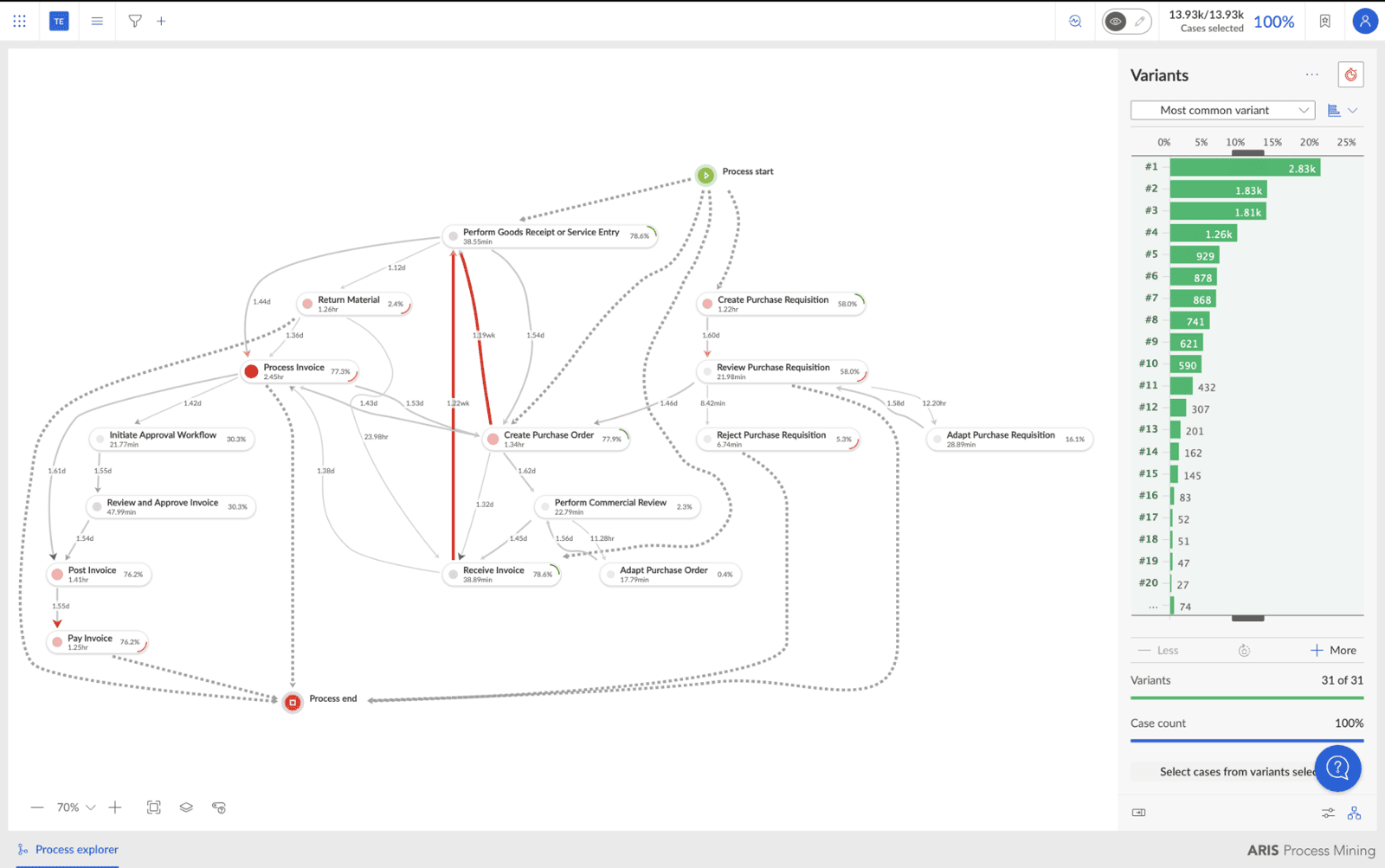
ARIS Express
Camunda is a business process orchestration and workflow automation platform used to design, automate, and manage complex business processes across systems, people, APIs, and AI agents. It is especially popular in enterprise environments that need scalable and auditable workflows.
What Camunda does
Camunda allows companies to:
model business processes visually using BPMN;
automate workflows;
orchestrate APIs, microservices, humans, and AI agents;
monitor process execution in real time;
handle approvals, escalations, retries, and analytics.
Example workflow:
Customer submits a form;
CRM creates a lead;
AI checks documents;
Manager approves the request;
Invoice is generated;
Customer onboarding starts automatically.
Camunda coordinates the entire process end-to-end.
Key Features
Used BPMN-style and enterprise workflow diagrams to map: approvals, onboarding, procurement, service operations, compliance flows.
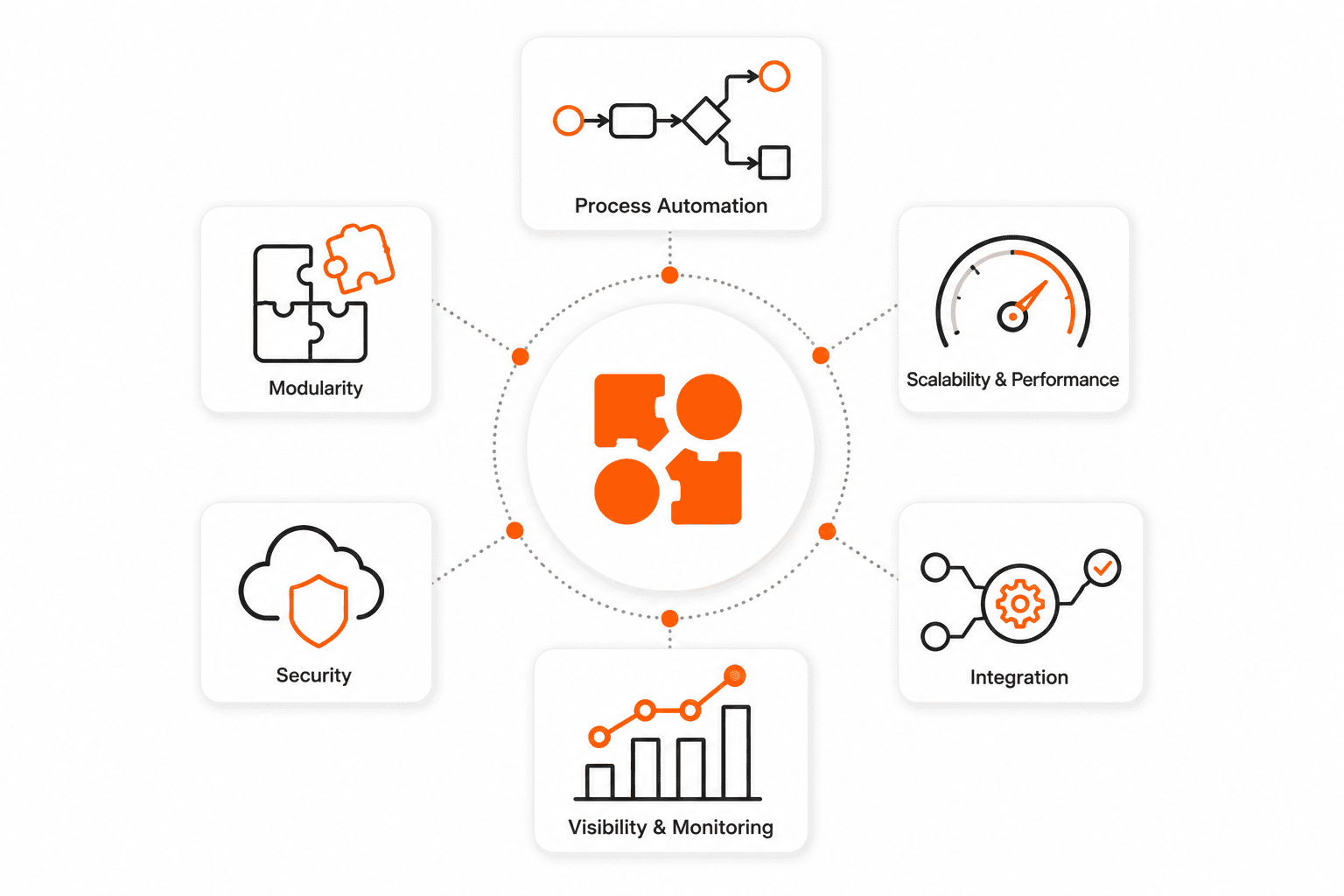
Why Camunda Is Popular
Camunda uses BPMN 2.0 (Business Process Model and Notation), which makes workflows understandable for both technical and non-technical teams.
Enterprise Orchestration
Unlike simple automation tools, Camunda focuses on:
long-running workflows;
distributed systems;
event-driven architecture;
microservices orchestration;
human task management.
Need Help Optimizing Your Business Processes?
IBM WebSphere Business Modeler
What IBM WebSphere Business Modeler Was
It was designed to help companies:
- visually model business processes;
- simulate workflows;
- analyze operational efficiency;
- document enterprise procedures;
- prepare processes for automation.
The platform focused heavily on:
- BPM (Business Process Management);
- enterprise process governance;
- workflow optimization;
- SOA (Service-Oriented Architecture).

It was commonly used in: banking, insurance, telecom, government, manufacturing, large enterprise IT environments.
The tool allowed business analysts and architects to:
- Create process diagrams;
- Define roles, rules, and tasks;
- Simulate process performance;
- Identify bottlenecks;
- Export workflows into execution environments.
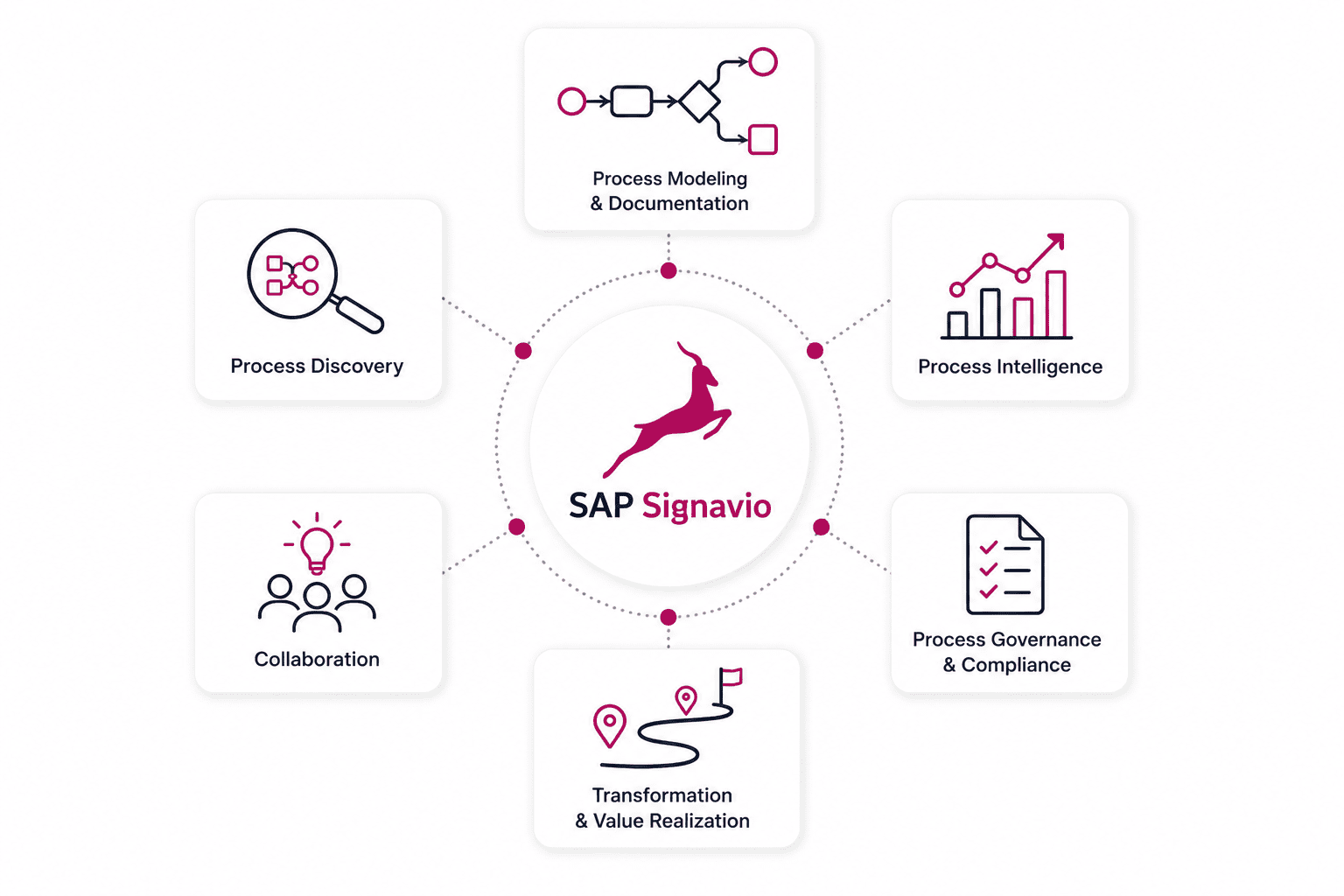
SAP Signavio is a cloud-based business process management (BPM) software that helps enterprises model, analyze, optimize, and transform their end-to-end operations — all in one platform.
Acquired by SAP in 2021, Signavio has become a cornerstone of SAP S/4HANA transformation and digital process automation. Whether you're running a large-scale ERP implementation or simply trying to eliminate inefficiencies across departments, SAP Signavio gives you real visibility into how your business actually works — not just how it's supposed to.
At its core, the platform combines four powerful capabilities: process mining, process modeling, process intelligence, and collaborative process governance. Teams across finance, procurement, HR, and supply chain can map workflows, spot bottlenecks, and drive continuous improvement — all backed by real operational data.
With the latest 2026 updates, SAP Signavio now features a unified navigation experience, an AI-powered assistant (Joule) for natural-language process search, and a merged SAP Signavio Process Intelligence module that cuts information discovery time by up to 83%.
If your organization is planning a RISE with SAP journey or looking for a process optimization tool that scales — this is worth your attention.
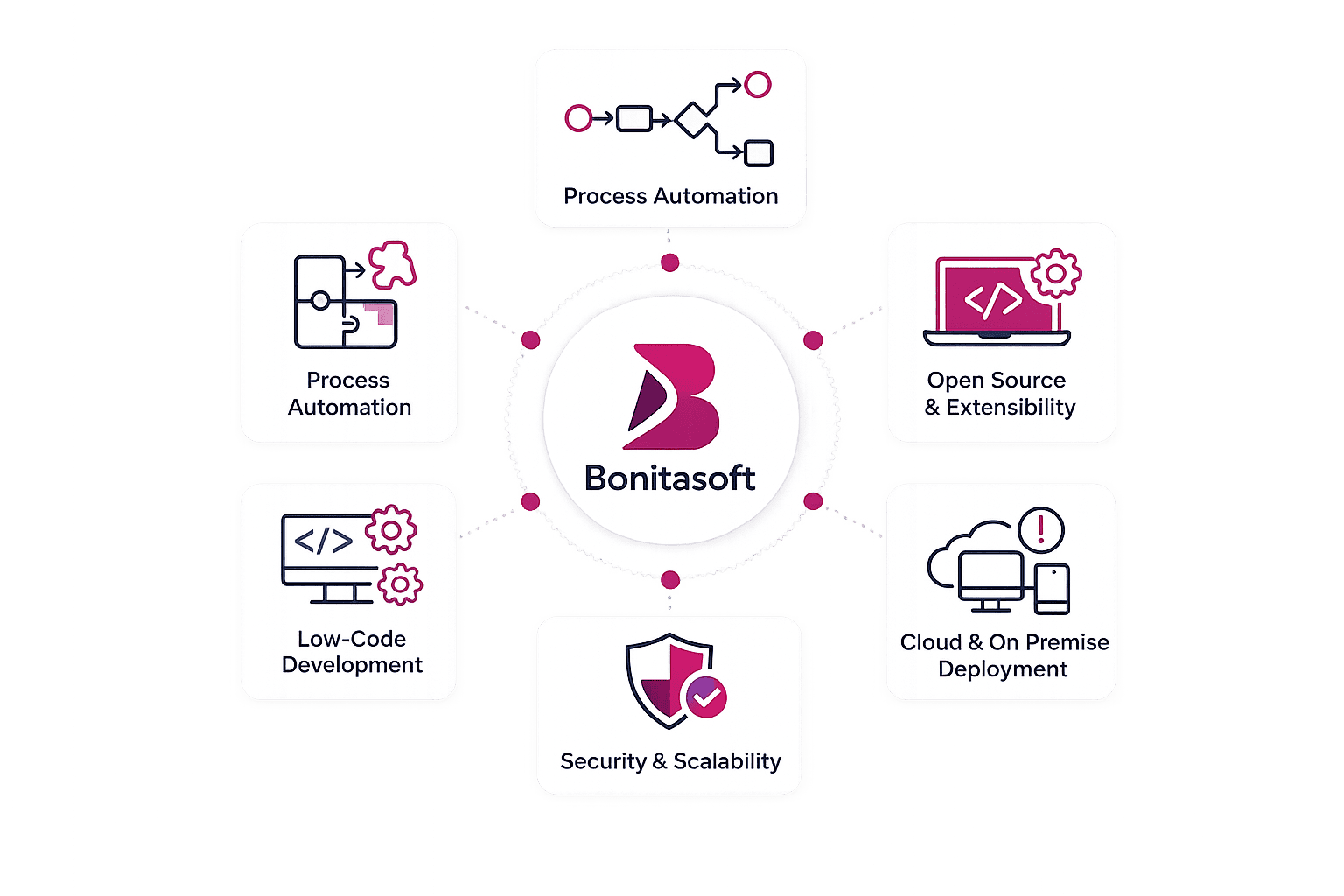
Bonitasoft is a leading open-source business process automation company behind Bonita — an extensible, low-code BPM platform designed to help organizations model, automate, and continuously optimize their business workflows. Today it serves enterprises across telecom, healthcare, manufacturing, finance, and government worldwide.
The Bonita platform accelerates development and production through a clear separation between visual programming capabilities and coding — making it accessible to both business analysts and developers simultaneously.
Bonitasoft is now Ofelia — the company rebranded and shifted its focus from BPM to agentic AI orchestration for enterprise operations.
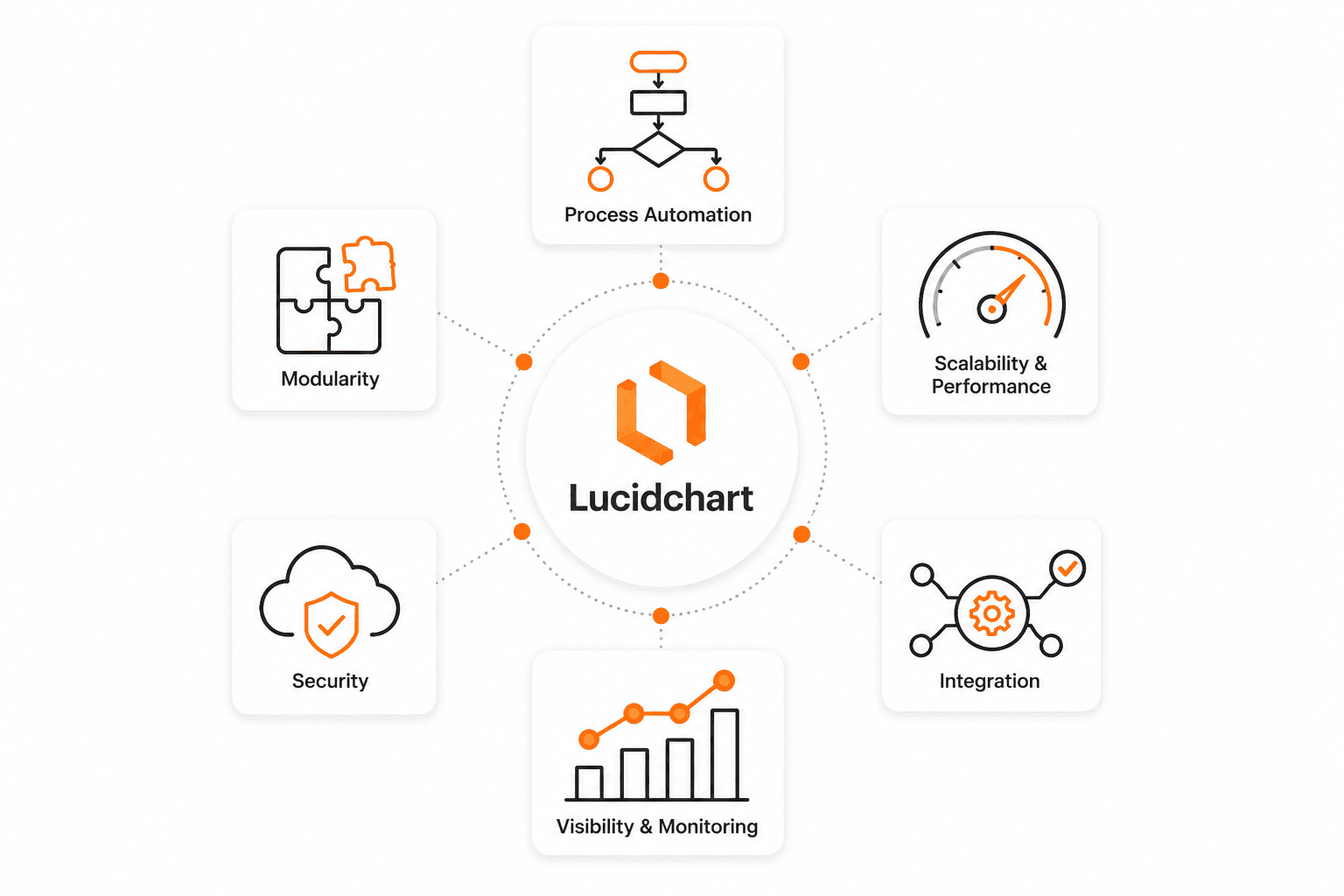
Lucidchart is a cloud-based BPM and diagramming platform focused on simplicity, collaboration, and fast process modeling.
What Makes Lucidchart Stand Out
- Real-time collaboration
- Clean and intuitive UI
- Cloud-native architecture
- Integrations with Jira, Confluence, Slack, and Google Workspace
- Fast BPMN and workflow modeling
Best Use Cases
- SaaS companies
- Remote teams
- Business analysis
- Process documentation
- Agile environments
Lucidchart is more of a visual modeling and collaboration tool — not a full BPM automation platform like Appian or Camunda.
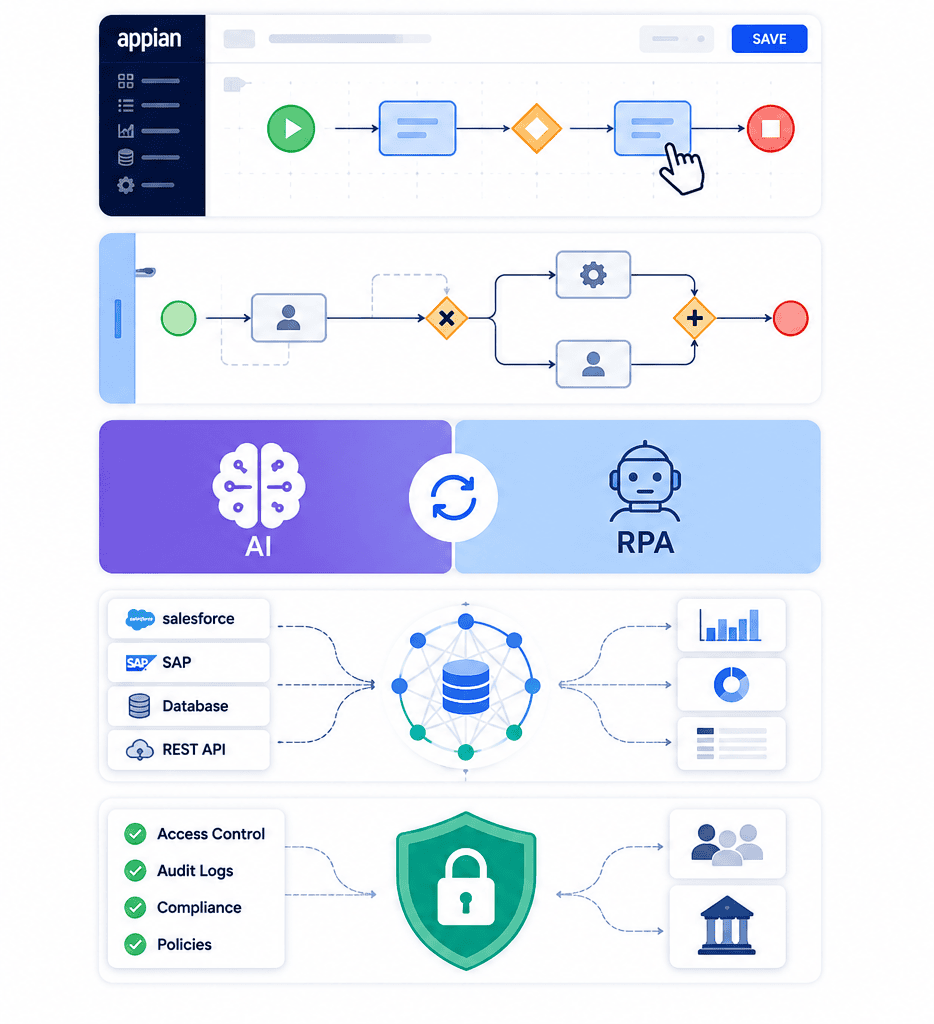
Appian is an enterprise low-code BPM platform for workflow automation, process orchestration, and rapid app development.
Key features:
- Low-code workflow builder
- BPMN process automation
- AI + RPA integration
- Data Fabric for connected systems
- Enterprise-grade security & governance
Best for:
Large companies, compliance-heavy industries, and complex business operations.
Who Needs Business Process Modeling?
Business process modeling is especially valuable for organizations with growing operational complexity, multiple departments, or manual workflows that slow down performance.
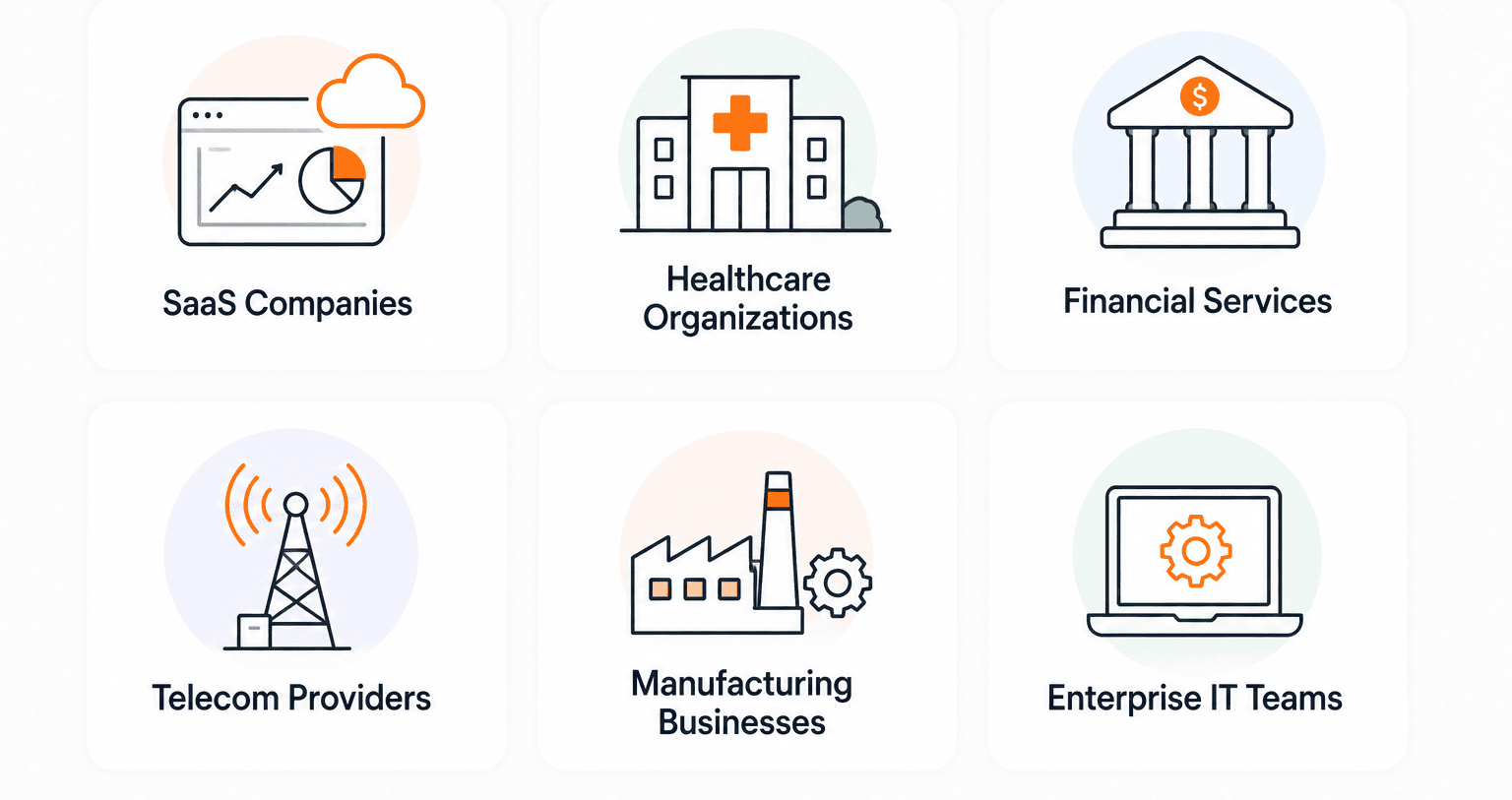
Companies that benefit most include:
- SaaS businesses scaling operations
- healthcare organizations managing compliance
- financial services companies handling approvals
- telecom providers optimizing service delivery
- manufacturing companies improving production workflows
- enterprise IT teams implementing automation
Why Companies Choose CRMOZ for Business Process Modeling