Common challenges in Implementing Zoho CRM
While every business has unique requirements, the most successful Zoho CRM implementations typically focus on four key areas:
- Clearly defined business goals
- Well-structured sales and operational processes
- Strong user adoption and training
- High-quality, well-organized data
Zoho CRM provides the flexibility and tools needed to support business growth. The difference between a good CRM deployment and a great one often comes down to implementation strategy, process alignment, and long-term user engagement.
10 Common Zoho CRM Implementation Challenges (And How to Overcome Them)

1. Starting Without Clear Business Goals
Many companies begin with a vague objective like "we need a CRM."
Without measurable goals, implementation quickly becomes focused on features rather than outcomes.
How to avoid it: Define specific objectives such as improving lead response time, increasing conversion rates, or reducing manual work before implementation begins.

2. Automating Broken Processes
Automation is one of Zoho CRM's greatest strengths, but automating an inefficient process simply makes inefficiency happen faster.
How to avoid it: Review and optimize your workflows before building automation. Use Zoho Blueprint and workflows to support well-defined processes.
3. Poor Data Migration Planning
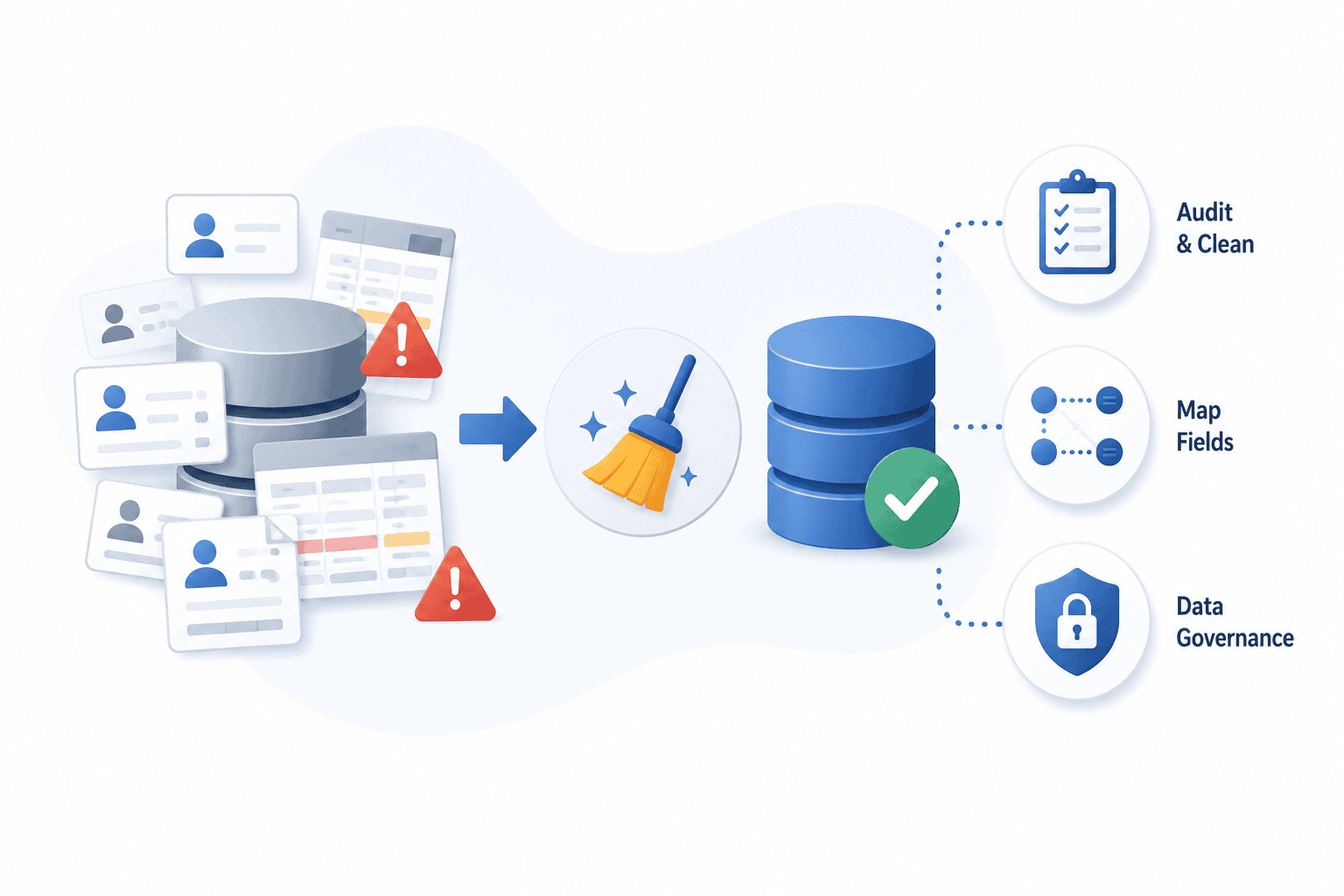
Duplicate contacts, incomplete records, and inconsistent data can destroy confidence in a CRM system from day one.
How to avoid it: Audit and clean your data before migration. Test imports, map fields carefully, and establish data governance rules.
4. Over-Customizing Zoho CRM
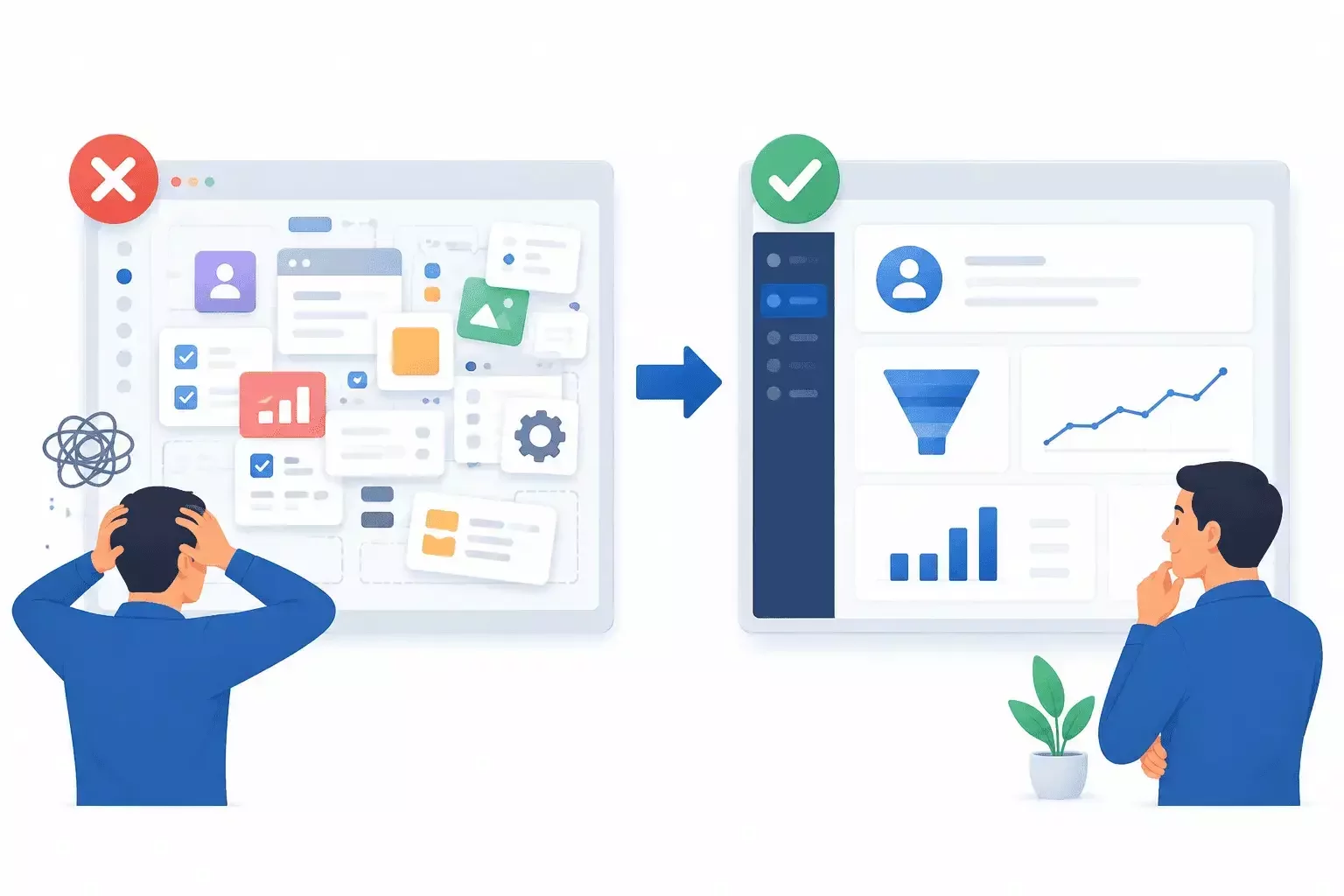
Many businesses try to create the perfect CRM from the start by adding too many fields, modules, layouts, and automations.
The result is often a system that users find confusing and difficult to maintain.
How to avoid it: Start with a simple, scalable setup and expand based on real business needs.
If you're planning a Zoho CRM implementation or looking to improve your current setup, it's important to review whether your CRM configuration is helping your team work more efficiently—or creating unnecessary complexity that limits growth.
5. Ignoring User Adoption and Training
Even a perfectly configured CRM will fail if employees don't use it.
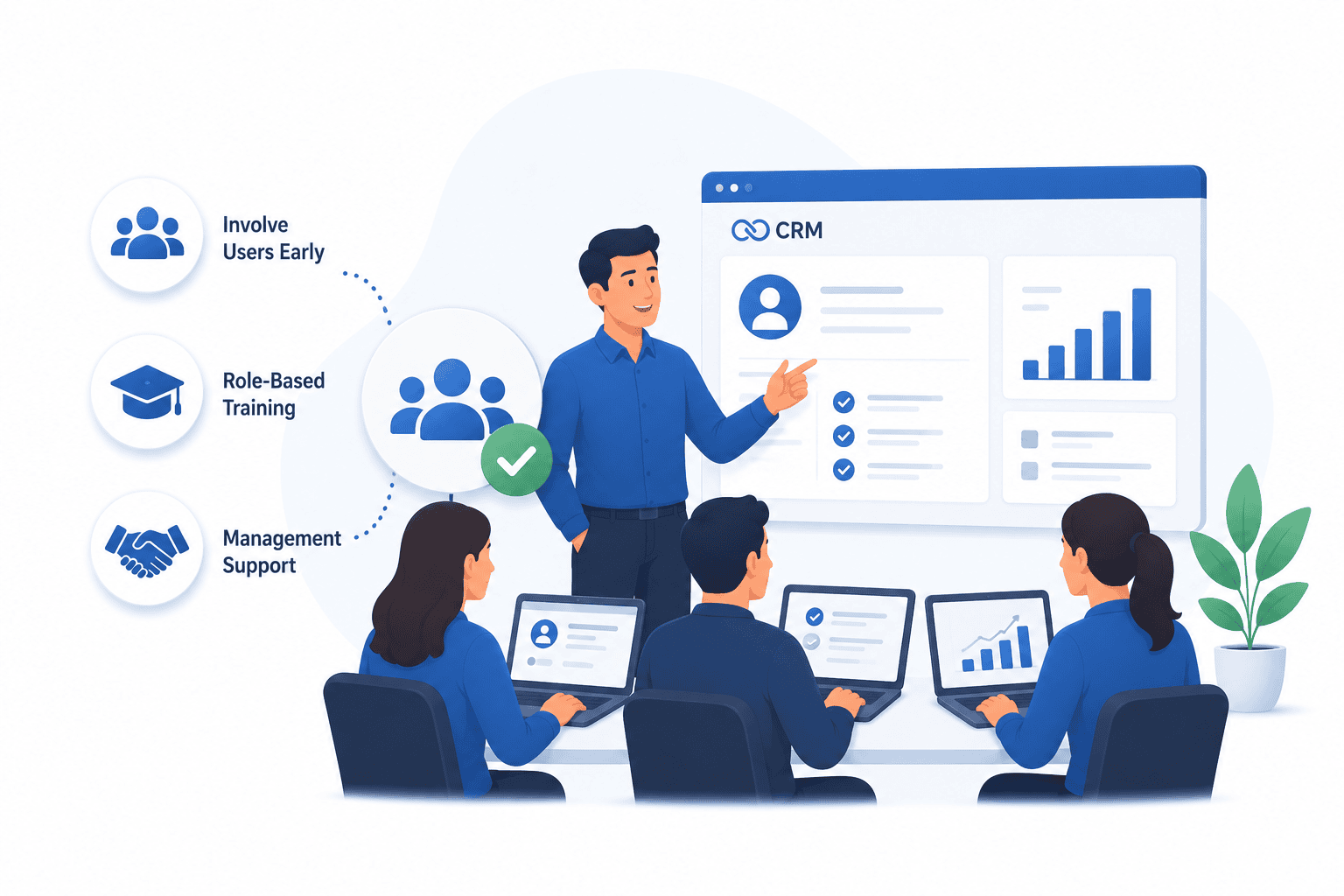
Most adoption problems come from poor training, unclear processes, and lack of management support.
How to avoid it: Involve users early, provide role-based training, and make CRM usage part of daily business operations.
6. Building Automation Without a Strategy
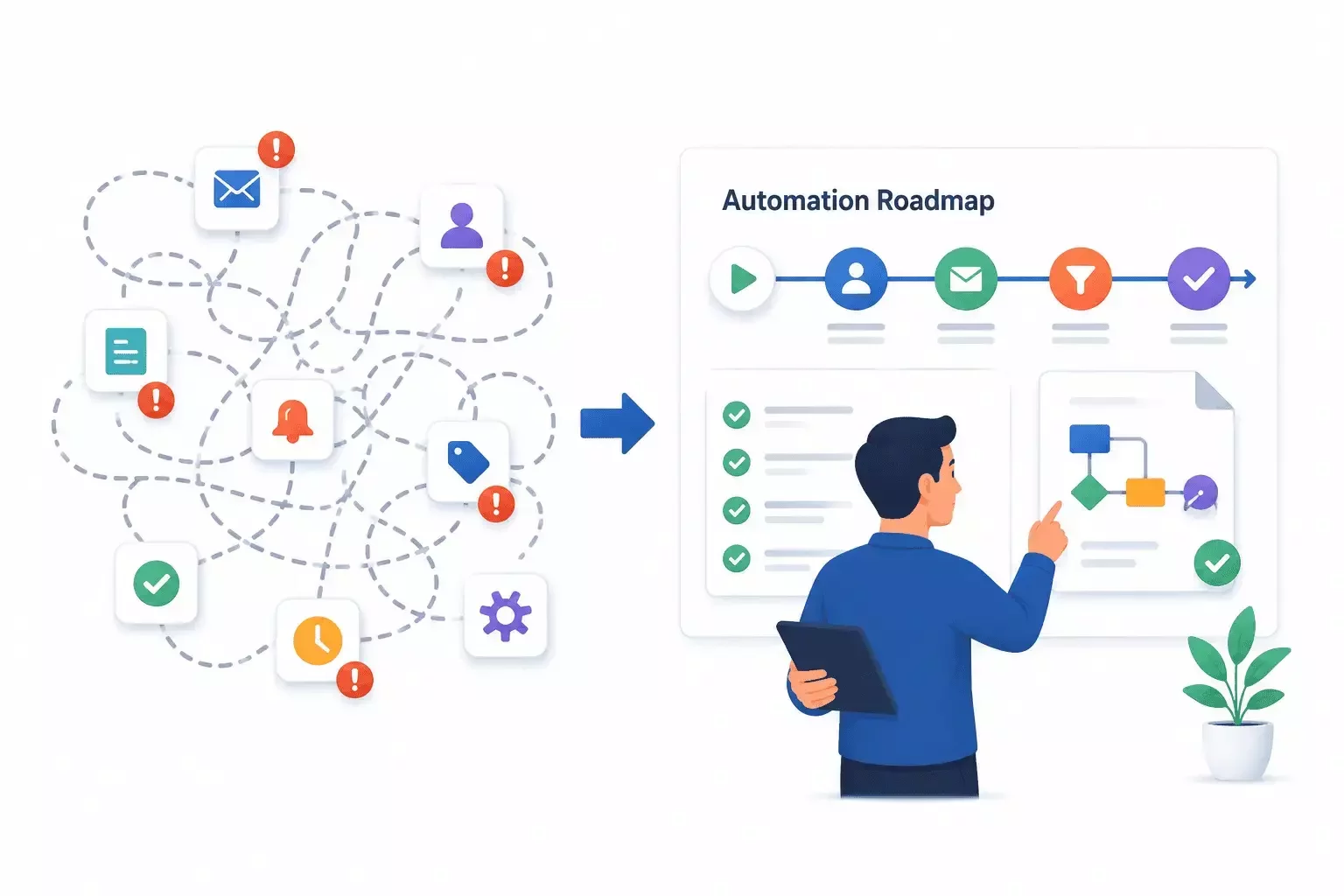
Many companies create workflows as new requests appear. Over time, the CRM becomes filled with disconnected automations that are difficult to manage.
How to avoid it: Design an automation roadmap before implementation and document every workflow.
7. Weak Lead Management Processes
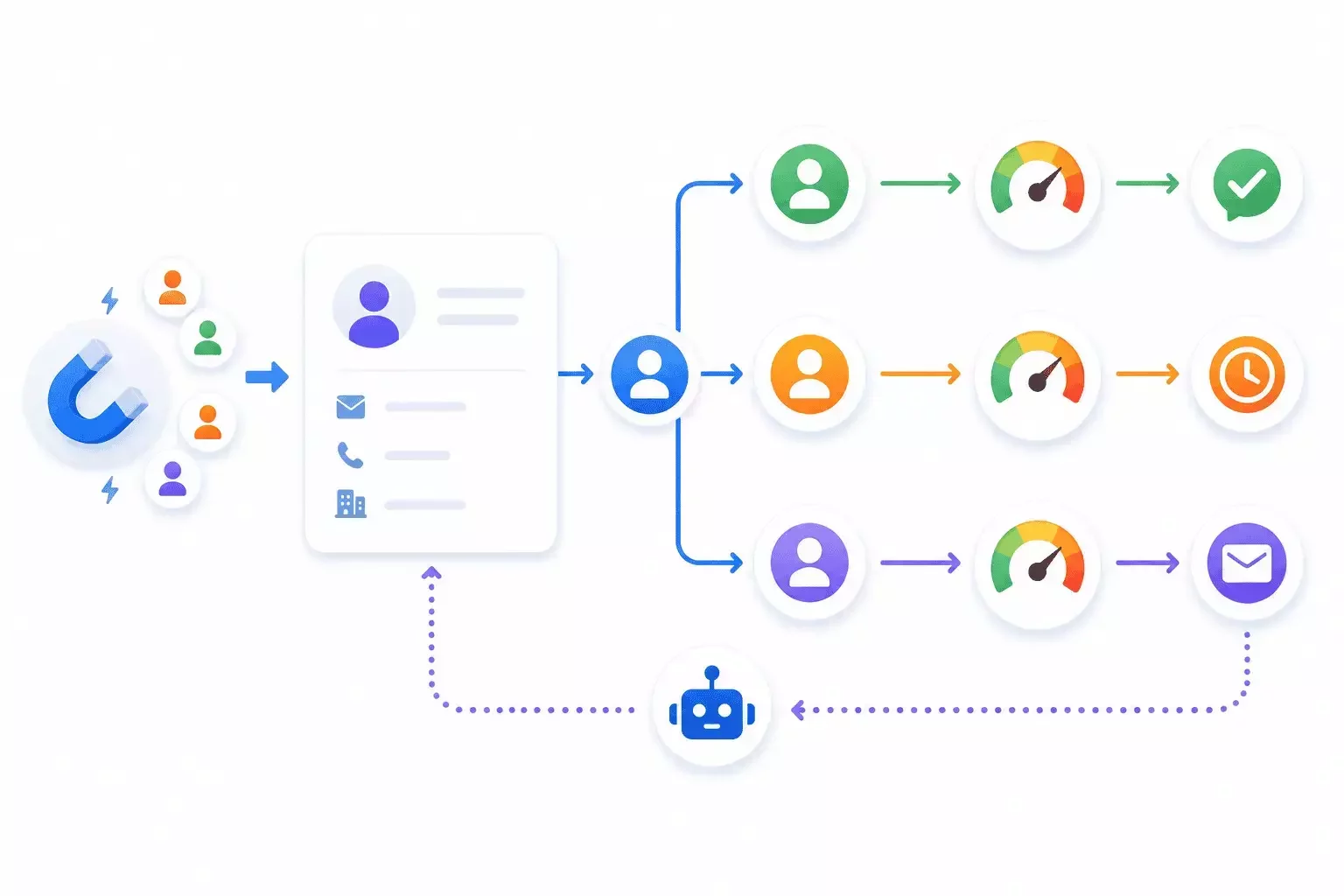
Generating leads is only half the battle. Without proper routing, scoring, and follow-up processes, valuable opportunities are lost.
How to avoid it: Implement lead assignment rules, lead scoring, and automated follow-up workflows directly inside Zoho CRM.
8. Not Integrating Business Systems
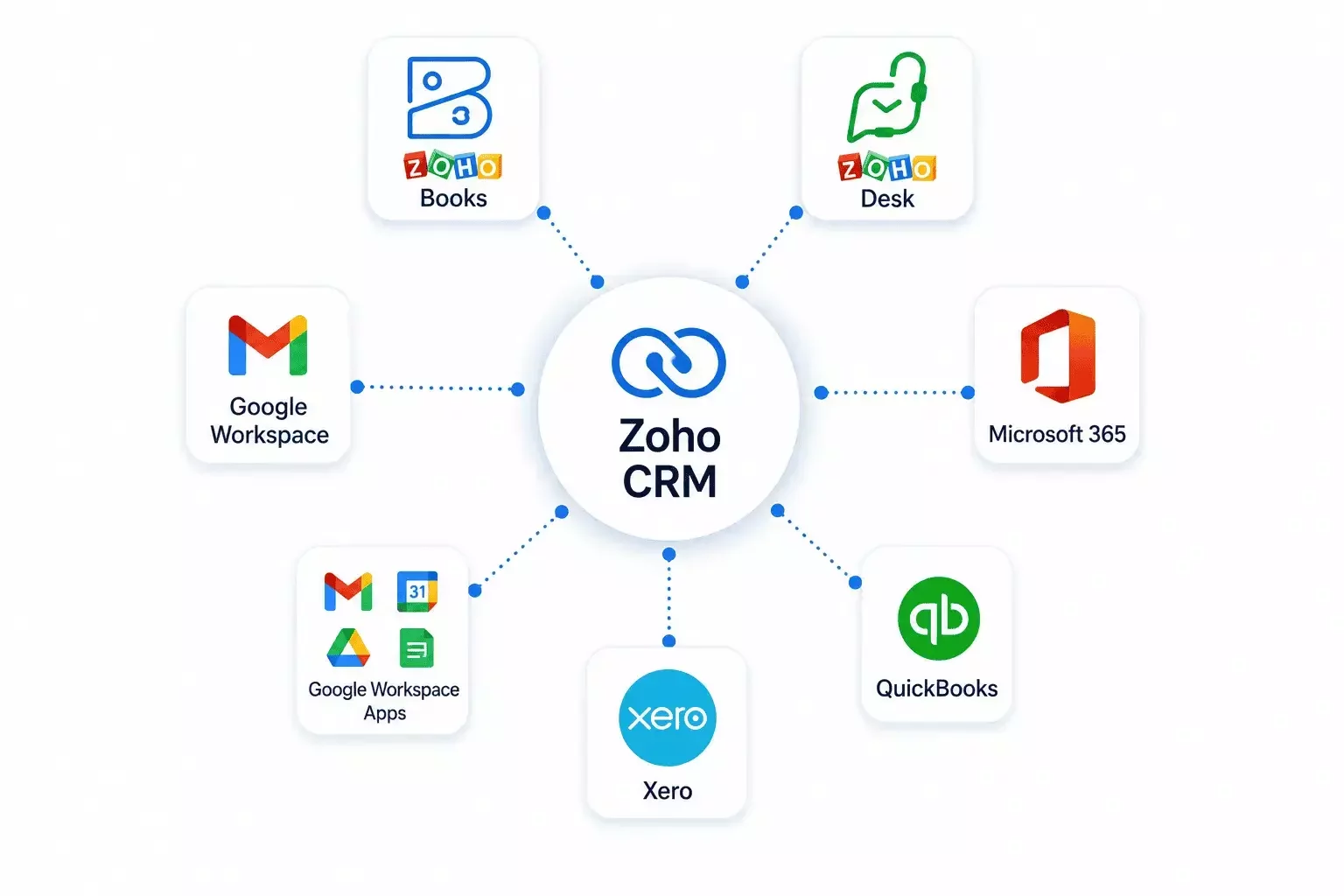
CRM should serve as a central hub for customer information.
When CRM is disconnected from accounting, marketing, support, or ERP systems, employees waste time on manual data entry.
How to avoid it: Integrate Zoho CRM with tools such as Zoho Books, Zoho Desk, Microsoft 365, Google Workspace, QuickBooks, Xero, and other business systems.
9. Poor Reporting and KPI Visibility
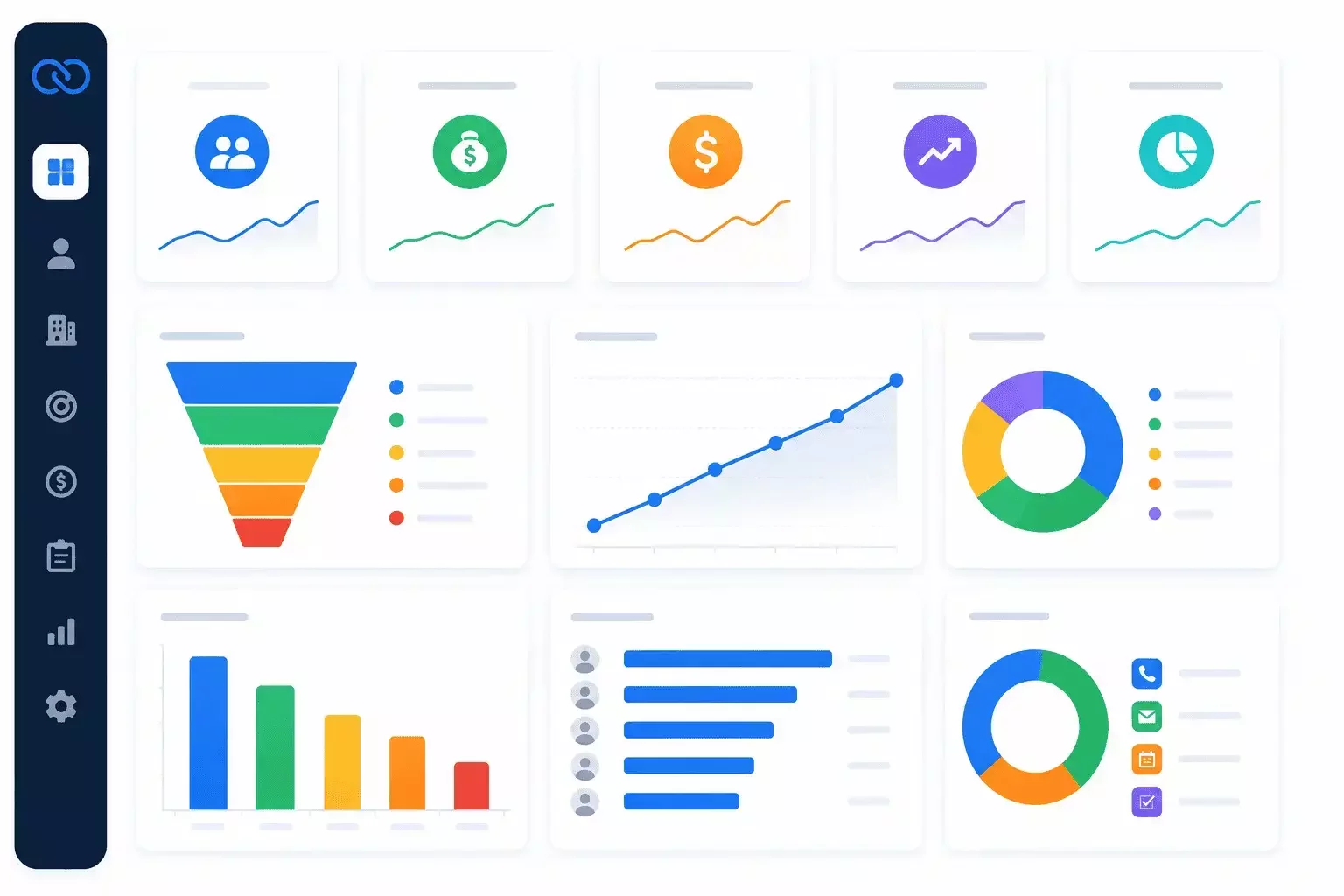
Many businesses collect data but fail to turn it into actionable insights.
Without proper dashboards and reports, leadership cannot make informed decisions.
How to avoid it: Design reporting requirements before implementation and create dashboards for sales teams, managers, and executives.
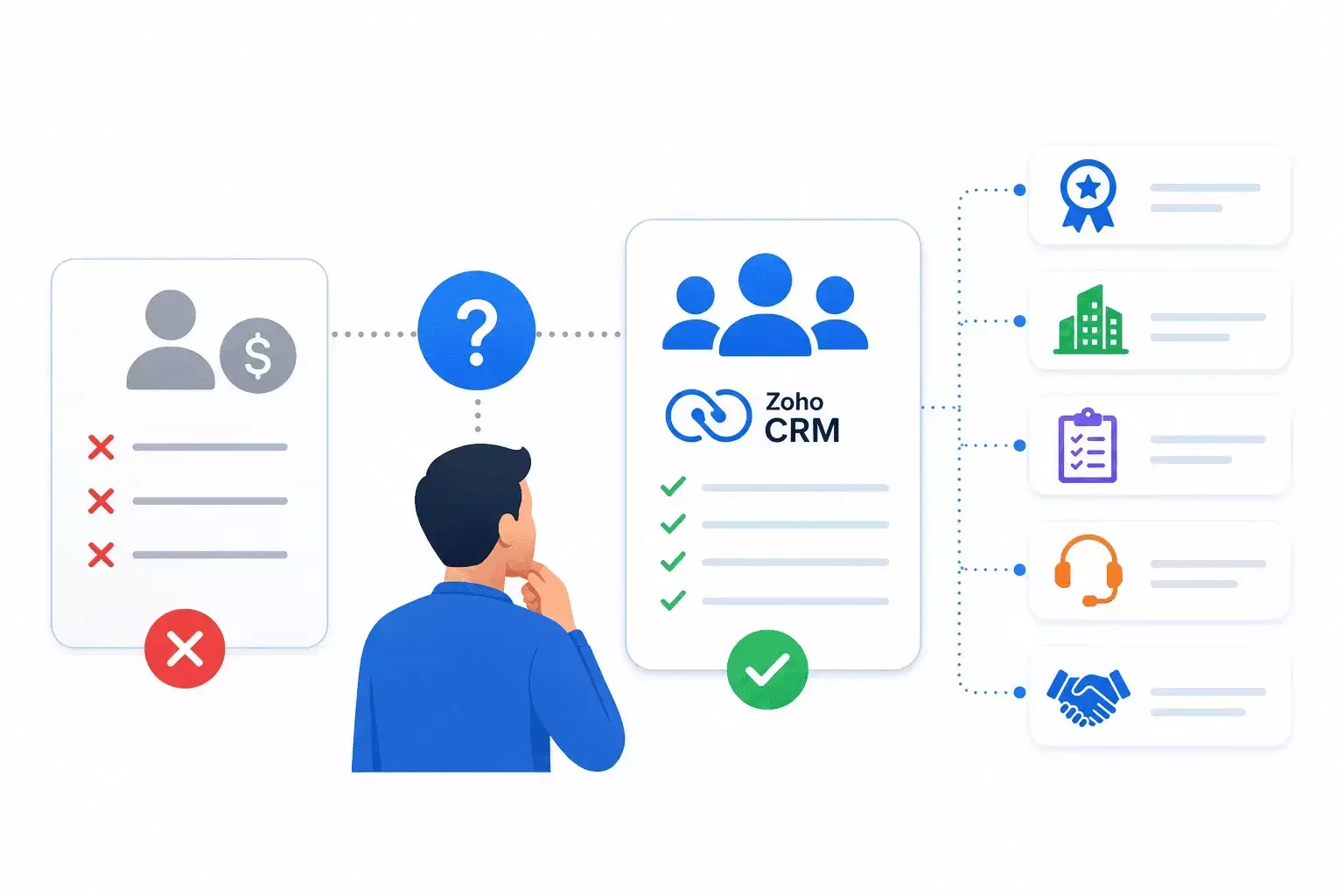
10. Choosing the Wrong Implementation Partner
One of the most expensive mistakes is selecting a CRM provider based solely on price.
Poor implementation decisions often result in rework, delays, and low adoption.
How to avoid it: Choose a Zoho CRM implementation partner with proven expertise, industry experience, a structured methodology, and ongoing support capabilities.
If you're planning a Zoho CRM implementation or looking to improve your current setup, the right partner can make the difference between a CRM that becomes a growth engine and one that creates frustration for your team.